Blogs
Sewer Camera Guide: Choosing an Inspection Camera with Light
Oct
A good sewer camera can turn a frustrating guess‑and‑check job into a quick, confident inspection. Whether you’re a contractor trying to diagnose a blockage or a maintenance crew verifying new lines, investing in the right equipment makes all the difference.
Below are the main factors to consider before you choose your next system—shared from the field perspective of people who use them every day.
image clarity & resolution

It sounds obvious, but sharp visuals are the foundation of any effective pipe camera system. A clean image lets you confirm cracks, joints, or debris without confusion.
Look for HD lens options and a wide dynamic range sensor. If you mainly work in older pipelines with scale or discoloration, high resolution helps you catch subtle changes instead of vague dark patches.
Lighting Performance
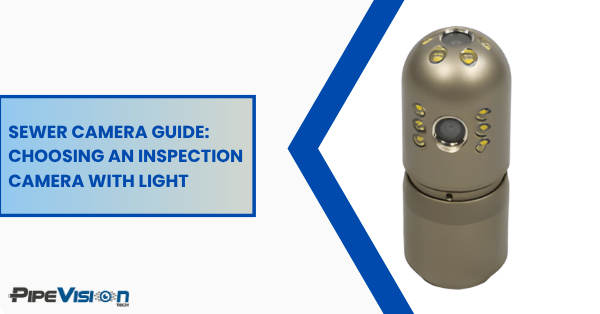
Lighting is often the hidden deciding factor. A goodinspection camera with light doesn’t just pack LEDs—it distributes light evenly through the pipe.
Inferior cameras create bright hotspots in the center and shadows near the edges. Choose models with adjustable intensity and a diffused ring light design that lets you control glare. The difference is huge when you need to read fine details on corroded walls or at junctions.
Durability & Housing Design
Pipes aren’t gentle places. A snake camera with light must handle water, dirt, and constant winding through confined spaces.
Opt for stainless or anodized aluminum housings and well-sealed connectors. Flexibility matters too — a spring-mounted head helps the camera navigate tight bends without damaging the lens assembly. It’s one of those design features you stop thinking about… until you don’t have it.
Cable Length & Build Quality

More reach isn’t always better — consistency is. The ideal cable unspools smoothly, resists kinking, and gives stable video over the entire run.
If you handle both residential and municipal work, look for systems with interchangeable reels so you can switch cable lengths without signal loss or downtime.
Ease of Navigation and Recording
Modern software should simplify inspections, not slow them down. A good sewer camera setup lets you tag observations, record sessions, and save footage with minimal clicks.
Built‑in naming, mapping, and time‑stamping make report writing faster. If you provide documentation for municipalities or engineers, NASSCO‑compatible software is a major plus.
Portability and Power Options
Every job site is different. Choose a pipe camera that’s compact enough for a single operator to deploy and that runs on both AC and rechargeable battery power.
Lightweight reels with integrated monitors reduce setup time and make transport easier — especially for service vehicles covering multiple locations.
After‑Sales Support and Parts Availability
Even the best equipment needs maintenance. Before you buy, confirm that replacement parts — cables, seals, and lenses — are locally available and easy to order.
Responsive technical support minimizes downtime and keeps your inspections on schedule.
Final Thoughts
A sewer camera isn’t just another tool — it’s your eyes underground. Focusing on lighting, durability, clarity, and usability ensures that each inspection yields clean, dependable data.
The right inspection camera with light helps you work faster, make better decisions, and maintain your reputation for professional, accurate reporting.
Looking for the Right Sewer Camera?
At PipeVision Tech, we help contractors and utilities find proven inspection solutions for real‑world field conditions.
Whether you need a compact inspection camera with light for tight access or a crawler system for long runs, our team can help you choose the system that fits your work and budget.
📞 Call 778‑507‑0611 or visit www.pipevisiontech.com to learn more about our sewer camera and pipe camera options.