Blogs, Uncategorised
Modern Sewer Camera Inspections vs. Old Techniques
Nov
Seeing Below the Surface with Modern Tools when a pipeline or drain starts acting up, the first question is always what’s going on down there?
In the past, contractors and plumbers had few options beyond trial-and-error digging (see national guidelines on sewer inspections) or guesswork. Today, however, tools like a pipe inspection camera have turned that guesswork into a clear, visual process.
So, how does a sewer camera compare to traditional inspection techniques? Let’s look at the real-world advantages and the few drawbacks every crew should keep in mind.
The Pros of Using a Pipe Inspection Camera
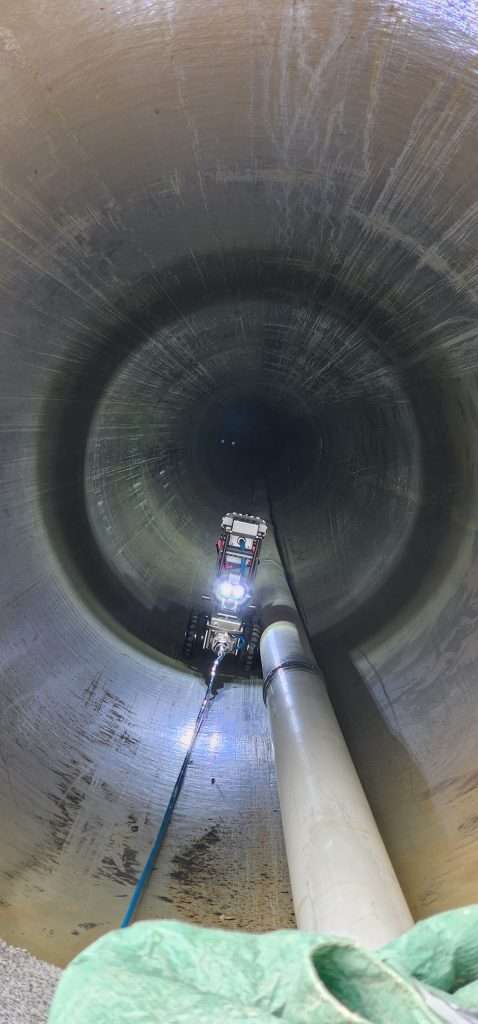
- Immediate visual confirmation– A camera for inspection lets technicians see exactly where a clog, crack, or root intrusion is located. Instead of basing a diagnosis on surface symptoms, they work from direct video evidence inside the pipe. This saves hours and significantly reduces callbacks.
- Minimal excavation– Traditional methods often require digging to locate a problem. With a sewer camera inspection, crews can pinpoint the exact spot that needs repair, leaving everything else untouched. Less digging means lower labor and restoration costs.
- Digital record and reporting– A pipe inspection camera can record footage and take still images for customer reports or municipal documentation. It’s invaluable for insurance claims or before-and-after proof on large projects.
- Safe working conditions– Fewer open trenches and less manual entry into confined spaces mean safer conditions for technicians on site.
- Better preventive maintenance– Routine sewer line camera inspections help spot wear, rust, or debris buildup before they turn into major failures. Early intervention extends system life and reduces emergency repairs.
The Cons of Using a Pipe Inspection Camera

- Initial equipment cost– Professional-grade inspection cameras require an upfront investment, which can be high for smaller contractors. That’s why rental options are popular for teams who need the equipment occasionally.
- Training and learning curve– Accurate camera navigation and interpretation take practice. Technicians need training to read images properly and use locating beacons effectively.
- Access limitations– Heavily obstructed or damaged pipes can still be hard to navigate even with advanced tools. Sometimes a hybrid approach — camera inspection followed by targeted excavation — is the best solution.
Traditional Inspection Methods Still Have a Place
For simple surface drainage checks or short sections of newly laid pipe, visual open-trench inspection can be sufficient. In some cases, acoustic or pressure testing works well for leak detection before lines are put into service. However, when it comes to problem-solving or maintenance on existing networks, nothing beats what a real-time pipe inspection camera reveals.
Final Thoughts
Modern sewer cameras and pipe inspection cameras have practically redefined how plumbers and contractors approach underground diagnostics. They save time, reduce damage, and build credibility through transparent reporting.
Traditional methods will always support the industry, but pairing them with modern camera for inspection solutions delivers the best results for today’s maintenance and rehab projects.