Blogs, Sewer pipe camera, Uncategorised
Ultimate Guide to Sewer Camera: All You Need to Know
Sep
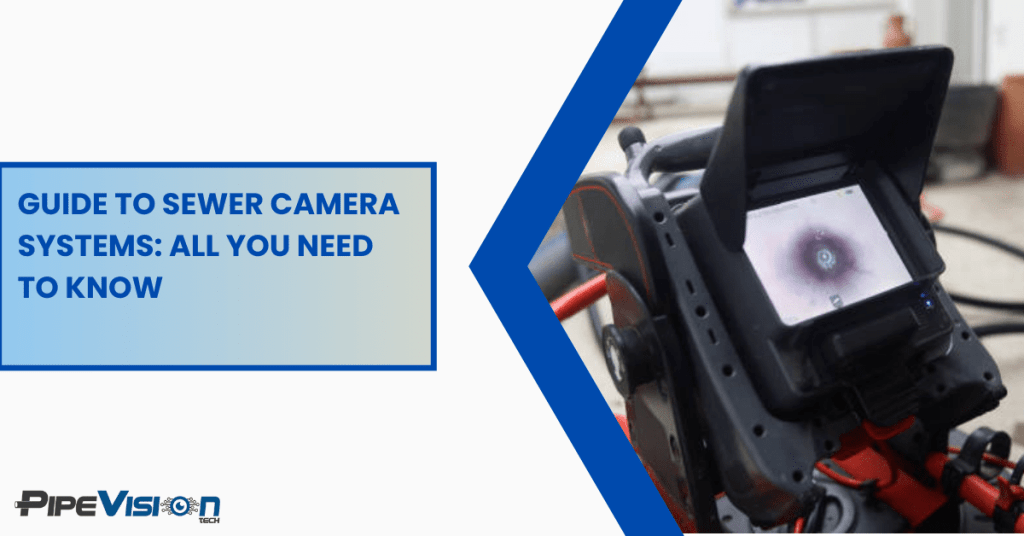
Guide to Sewer Camera Systems: All You Need to Know
Have you ever dealt with plumbing issues? Especially with sewers & pipelines—the process of diagnosing problems can be pretty hectic and time consuming. Traditional methods usually involve digging or trial-and-error methods that wastes a lot of time & money. Luckily, sewer camera systems, also known as pipe cameras or sewer scope cameras, are here to save us from hours of digging only to find out that the pipeline was meters away. These are innovative tools that allows us to assess & repair drainage and piping issues without digging the ground. In this guide, we will walk you through the things you need to know about sewer camera systems, like how they work, the different types of sewer cameras available in the market today, and their benefits for residential and commercial settings.
What Are Sewer Camera Systems?
Simply put, sewer camera systems are hi-tech tools designed to check the inside of pipes and sewers. These systems usually have a high-definition camera attached to a rod, which is inserted into the sewer. Then the camera sends live footage to a monitor, enabling technicians to get a real-time look at the condition of the pipes.
They are ideal for identifying blockages, leaks and cracks, which are often hard to detect by traditional methods. Whether you’re worried about a blocked drain or an old sewer line, a sewer camera will provide a clear and detailed view of your pipes, which will help you make an informed decision.
How Do Sewer Camera Systems Work?

Let’s see how these systems operate. A pipe camera is usually attached to a rod. This design helps it to move through the pipes like a snake and to go around pipe angles, even in very confined spaces. The camera is often encased in a sturdy, waterproof casing, to prevent any damages from the tough conditions inside the sewers—like water, grease etc.
How it works:
- Insertion: The camera is pushed into the sewer line.
- Navigation: The plumber/ worker feeds the camera through the pipe. Because of the flexible cable, it can move around bends very easily.
- Live Feed: As camera starts to move, it sends live video to a monitor, allowing the worker to check the inside of the pipe for any problems.
- Recording: Many sewer camera systems also have the capability to record, which can be used later to further analyse the pipeline.
It’s same as having an X-ray vision on your pipes. The smaller the camera, the tighter the places it can reach, making it an invaluable tool for underground utility inspections.
Types of Sewer Camera Systems

There are different types of sewer camera systems available in the market, each is designed to meet particular needs. Depending on your project size.
- Push Camera Systems- Push camera systems are compact and ideal for smaller projects. These systems have of a camera mounted on a cable that is pushed through the pipe by hands. They’re amazing for residential applications, like inspecting kitchen drains or bathrooms.
- Reel Camera Systems- Reel camera systems are bigger and sturdier; they are designed to inspect longer distances. They have a camera mounted on a reel of flexible wire, enabling the worker for quicker deployment. These cameras are usually used for inspecting bigger pipes or sewers, usually in commercial or industrial settings. If you’re working on main sewer lines, this system is for you.
- Lateral Inspection Cameras- Lateral inspection cameras enable us in inspecting lateral lines that connects to the main sewer line from houses. These cameras usually work along with push or reel cameras to offer accurate and detailed inspections of lateral connections.
- Self-Leveling Cameras– These cameras balance themselves inside the pipeline automatically to provide upright images, no-matter the camera’s orientation. This feature is very useful when inspecting pipes filled with a lot of water, grease, or other debris. Self-leveling cameras guarantee you always get clear footage without having to manually rotate or calibrate the image.
- Inspection Crawlers- For bigger pipes and sewer lines that are very big to inspect with traditional systems, crawlers are the answer. These are motorized devices that looks like a little RC car which moves through the pipes autonomously, with a camera attached on top of it. They’re designed to cruise large-diameter pipes and storm drains.
Features of Sewer Camera Systems
These sewer systems are not just about cameras—they are packed with a lot of useful features to make inspections efficient. Here are few things you can expect:
- High-Resolution Cameras: Most of the present-day sewer systems offer HD (720p) cameras, providing extremely clear footage of insides of a pipe. This helps workers spot even smallest of cracks, attrition, and other issues that may otherwise go undetected.
- LED Lighting: The inside of pipes is very dark, so many sewer cameras usually come with powerful built-in LED lights. These are adjustable lights that help illuminate the pipe from inside and ensure clear visibility during the inspection.
- Waterproof Housing: A durable, waterproof casing is also provided with the system to ensures that the camera can withstand the tough conditions inside the sewer lines.
- Real-Time Monitoring: As camera starts moving inside the pipes, it transmits live footage to a monitor, helping the worker to judge the condition of the pipe in real time.
- Recording Capability: Usually, these systems come with recording facility, making it easier to view the inspection again later or give customers a detailed report about the sewer inspection.
- Wi-Fi and Bluetooth Connectivity: Few systems also allow remote monitoring or integration with smartphone, which can be extremely useful for sharing the live footage or reports with customers.
Benefits of Sewer Camera Systems

There are quite a few benefits of using a sewer camera system, mainly when we compare it to traditional inspection methods. Here’s why they are so popular:
- Non-Invasive: One of the best features of sewer camera systems is that they don’t need any digging or shoveling. You can inspect pipes and sewers easily without doing any unnecessary damage to the property.
- Accurate Diagnoses: With real-time, HD (720p) footage, you can precisely diagnose issues within the pipe. Whether it’s a congestion, crack, or tree root intrusion, a sewer camera gives you a clean view of what’s going on inside the pipe.
- Faster Inspections: The flexibility and efficiency of these systems mean you can finish inspections a lot faster than going with traditional methods, saving your time and money.
- Documentation: Numerous sewer camera systems allow you to capture the footage, which can serve as a document for insurance purposes or as proof of the condition of the pipes.
Use Cases for Sewer Camera Systems
Sewer camera systems are resourceful tools and can be used for many different types of projects. Let’s look some:
Residential Applications
For homeowners, they often use sewer camera systems to:
- Inspect Pipe Conditions: Regular inspections of the sewer lines and plumbing systems help ascertain issues early, such as clogs, leaks, or tree root damage.
- Pre-Purchase Inspections: Homebuyers may also request a sewer camera inspection company to assess the condition of the house’s plumbing system before purchasing it.
- Preventive Maintenance: With regular inspections, you can prevent costly repairs by detecting potential issues before they escalate.
Commercial Applications
Businesses often use sewer camera systems to:
- Inspect Large Sewer Lines: For bigger properties like restaurants, hotels and factories, maintaining the health of the sewer system is very important. A pipe camera can help detect issues early and avoid big repairs later.
- Locate Blockages: If you’re dealing with blockage or a leak in a commercial plumbing system, a sewer scope camera can tell you the exact location of the problem, making repairs more efficient and less costly.
- Ensure Regulatory Compliance: Many commercial properties are required ona regular basis to inspect and maintain their sewer systems to meet local regulations. Sewer camera systems help ensure that they stay compliant with the city.
Conclusion
Whether you’re a homeowner dealing with a slow drain or a business owner, investing in a sewer camera system is one of the best ways to make sure the health of your plumbing system is good. There are many types of cameras available in the market, you can easily find the right tool according to your job or project, whether it’s a pipe camera, sewer scope camera or something more advanced.
By transmitting clear, real-time visuals of the inside of your pipes, these systems help diagnose problems efficiently and accurately, saving you time, money and unnecessary repairs. If it was a while ago, it might be time to consider a sewer camera inspection to protect your plumbing system and avoid future headaches.
For more information Contact Us or Call Us and to read more of our blogs please visit our Blogs page.